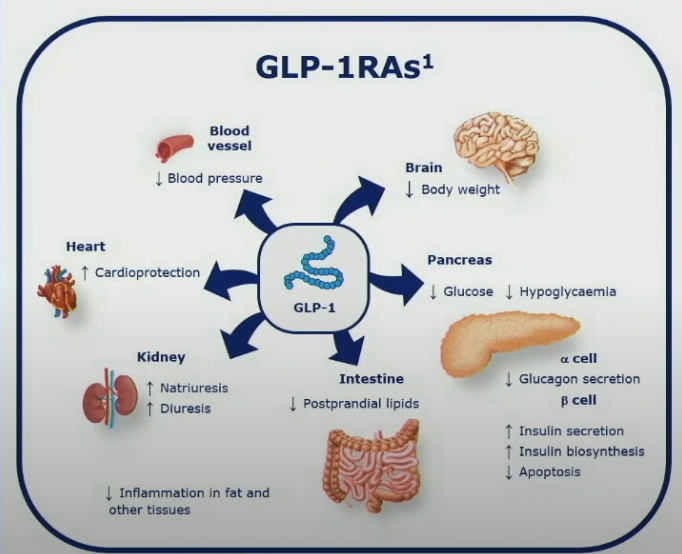
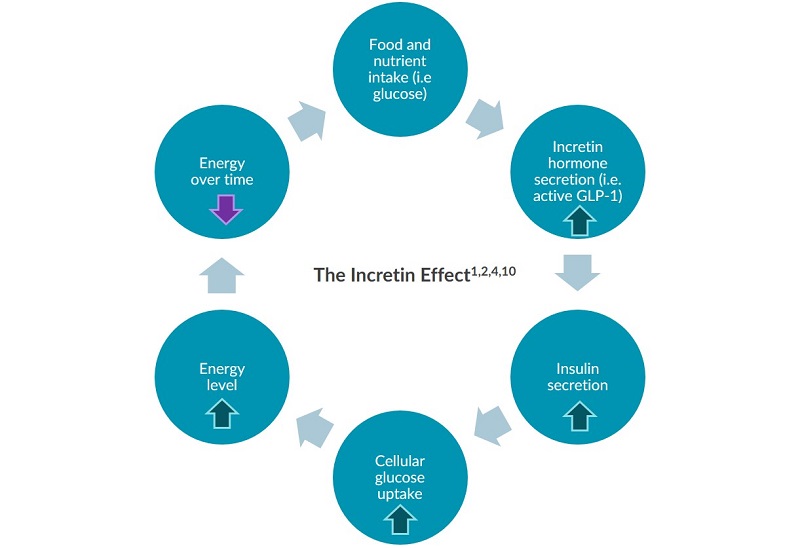
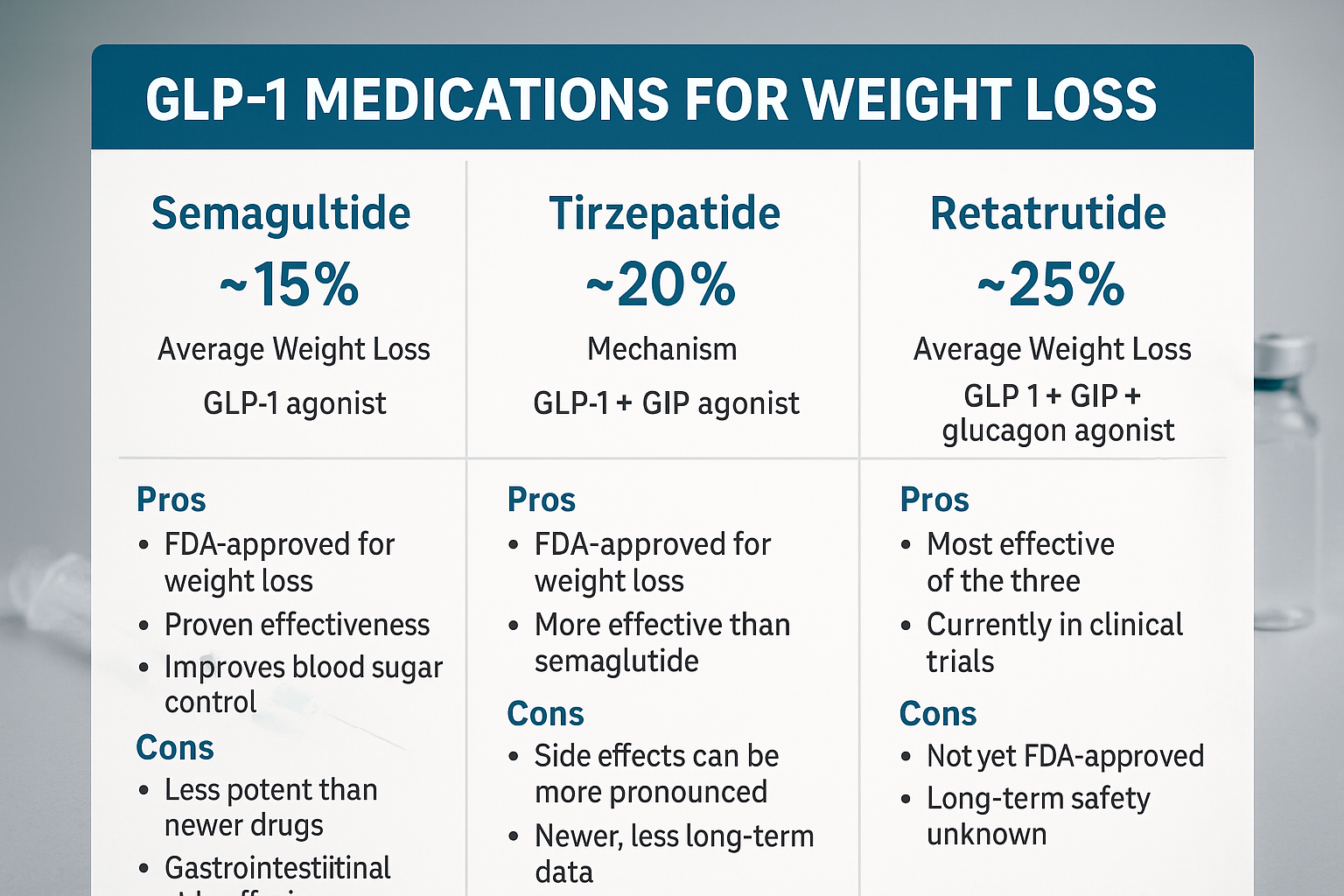
This helps you to keep your blood sugar levels within a healthy range. Beyond its primary use, Semaglutide and Compounded Semaglutide have also been shown to: Reduce appetite and hunger Increase feelings of fullness Reduce food cravings and energy intake Delay gastric emptying (when food leaves the stomach and goes into the intestines) All these effects reduce calorie intake, leading to weight loss. Potential Risks While it has many benefits, there are some side effects associated with Semaglutide and Compounded Semaglutide, including: Nausea Vomiting Abdominal pain Constipation Severe gastrointestinal reactions Hypoglycemia Pancreatitis Acute kidney injury They may also cause injection site reactions or reduced absorption of other oral medications due to delayed gastric emptying. Its important to note that balance is key when taking either type of Semaglutide

However, dosing can be a little tricky as you are required to take this oral medication at the start of the day on an empty stomach with minimal water and then wait before consuming any other liquids or food
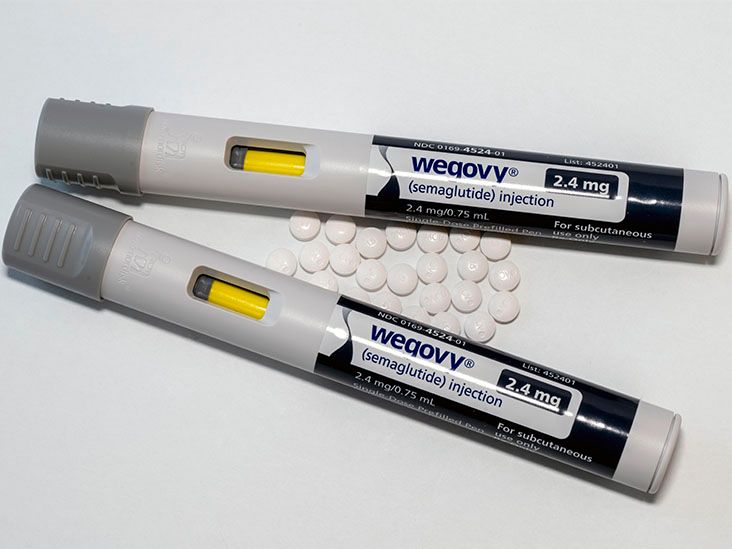
Available Forms and Duration of Use Semaglutide is typically administered as a weekly injection
This is when patients often report feeling lighter and observing changes in how their clothes fit
This guide is built from practical experience not medical advice, but real strategies for staying nourished, avoiding common GI side effects, and making food work with your bodys new rhythm instead of against it